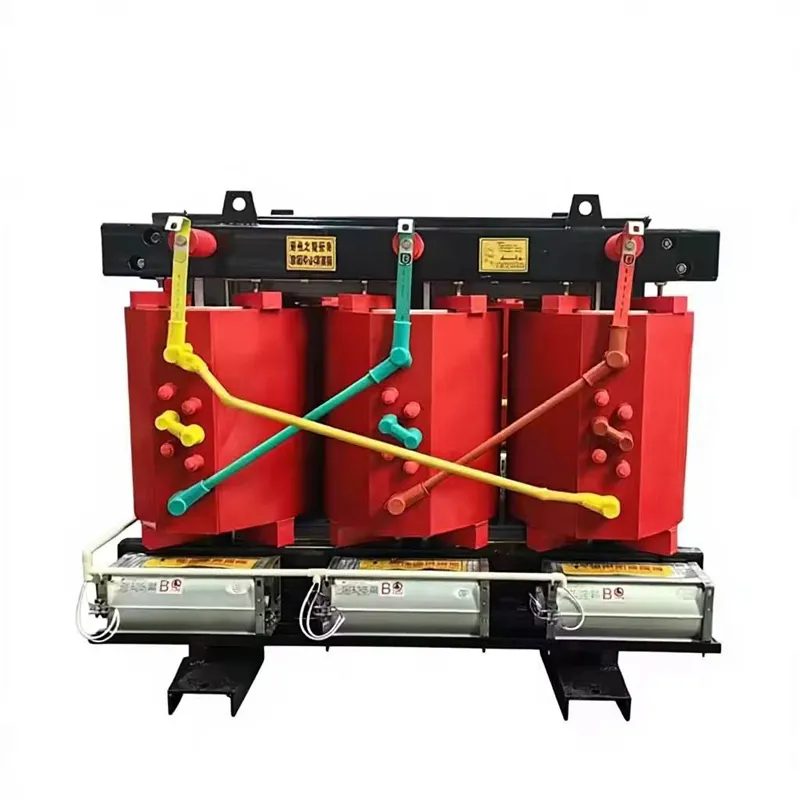
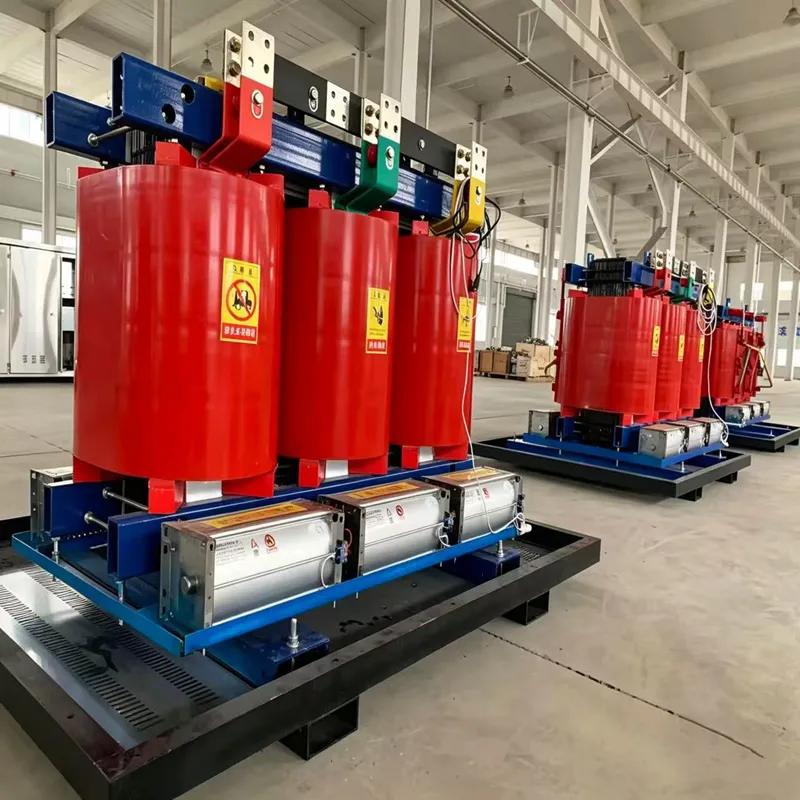
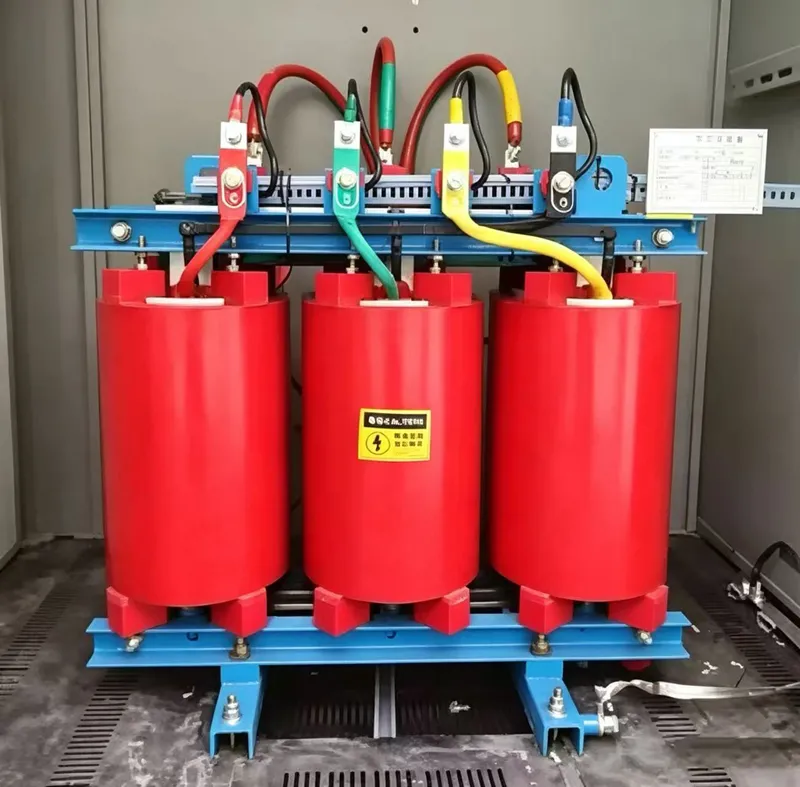
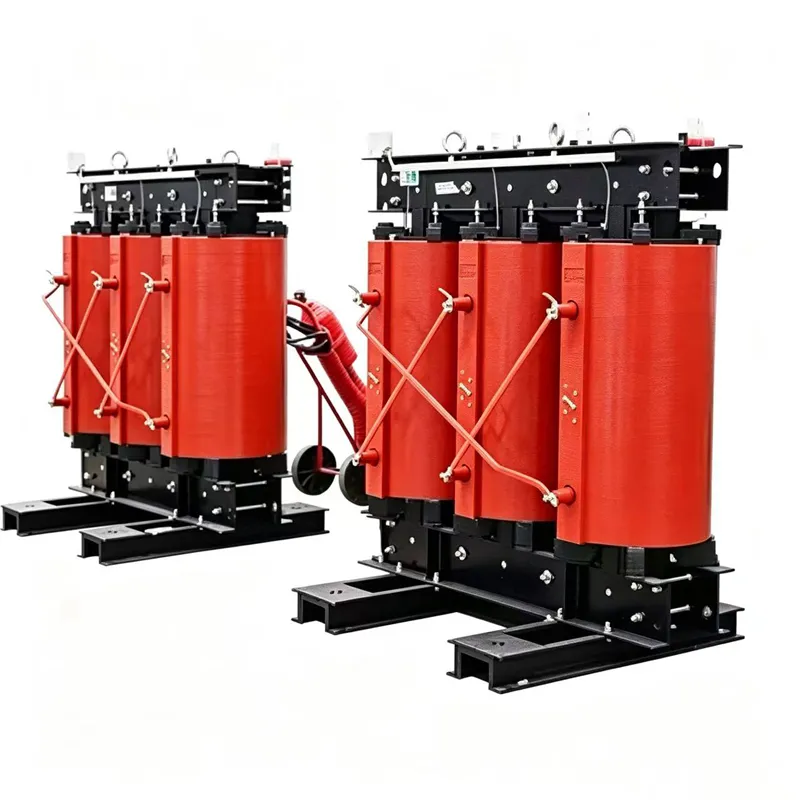
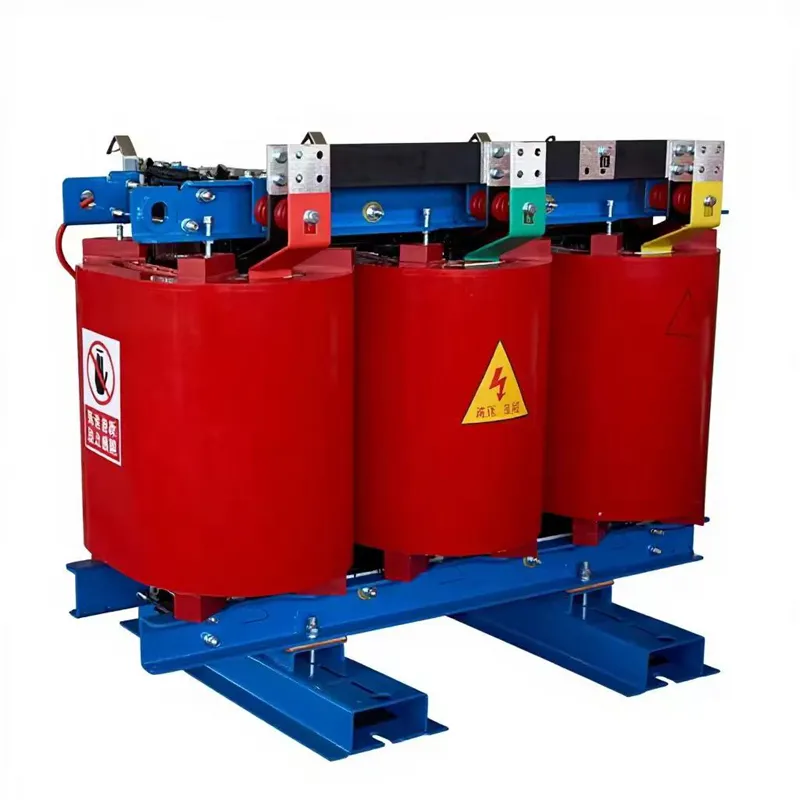
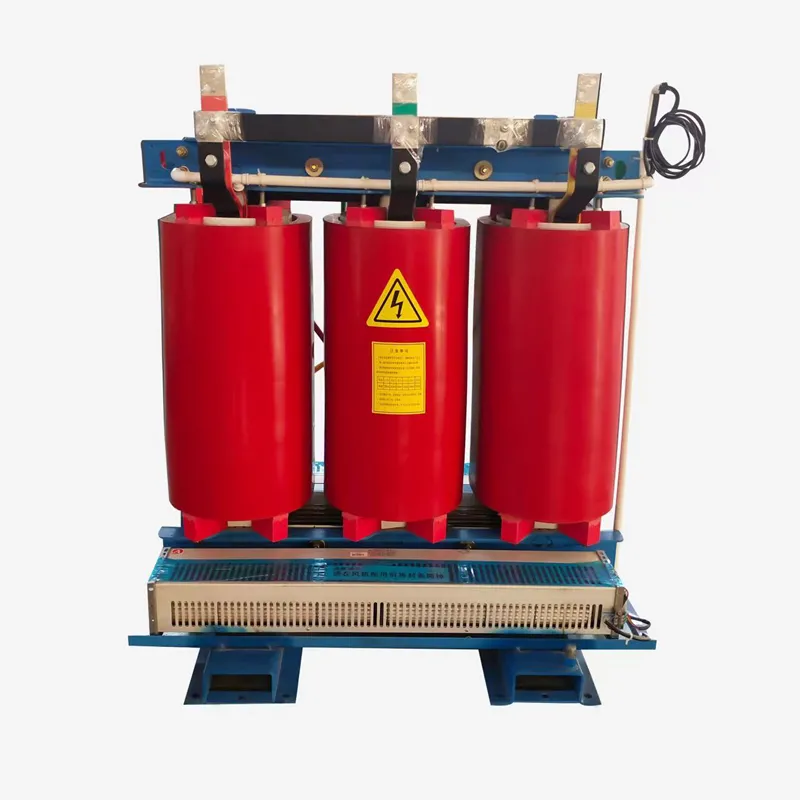
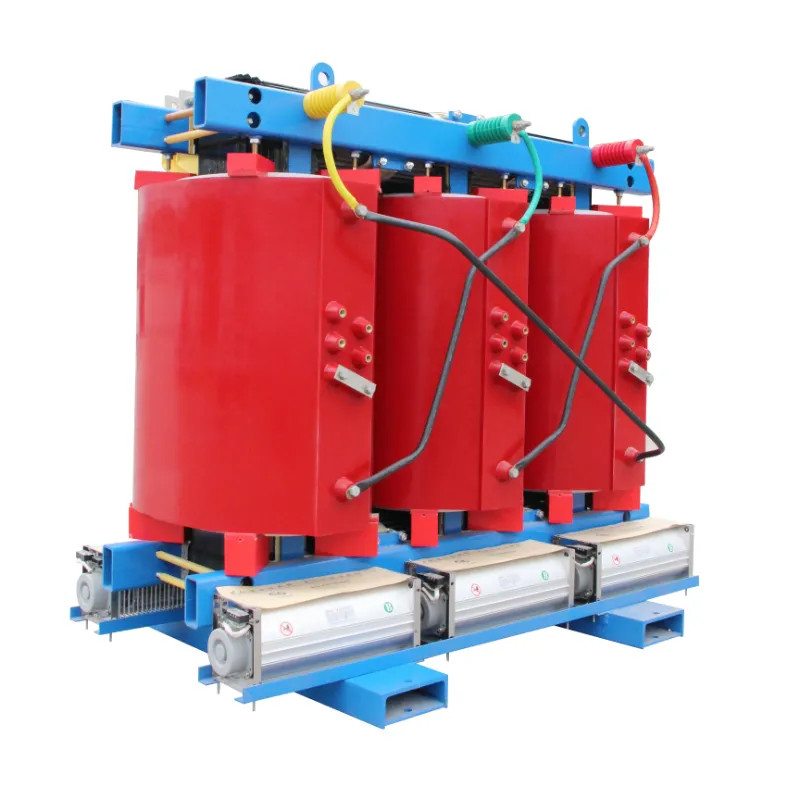
2000kVA 33kV/0.4kV Dry Type Transformer
HongweiPower supplies 2000kVA dry type transformers with a 33kV primary voltage and 0.4kV secondary voltage for large commercial buildings, industrial facilities, logistics centers and data center power distribution systems.
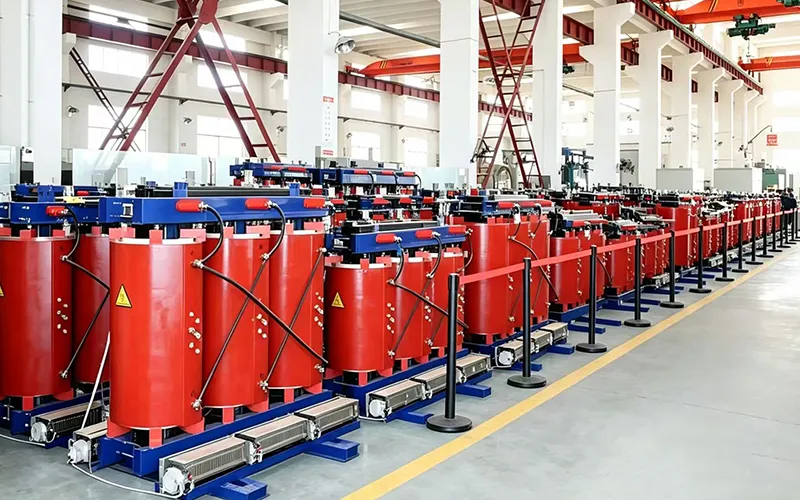
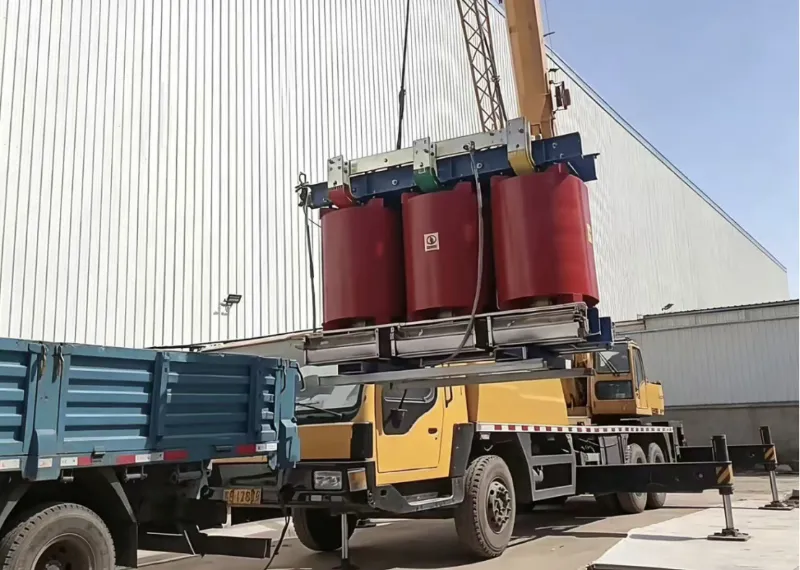
This high-capacity transformer uses epoxy resin cast insulation and high-grade core materials to provide reliable electrical insulation and thermal performance. The design supports customized voltage configurations, cooling methods, insulation classes, protection levels and structural arrangements according to project specifications.
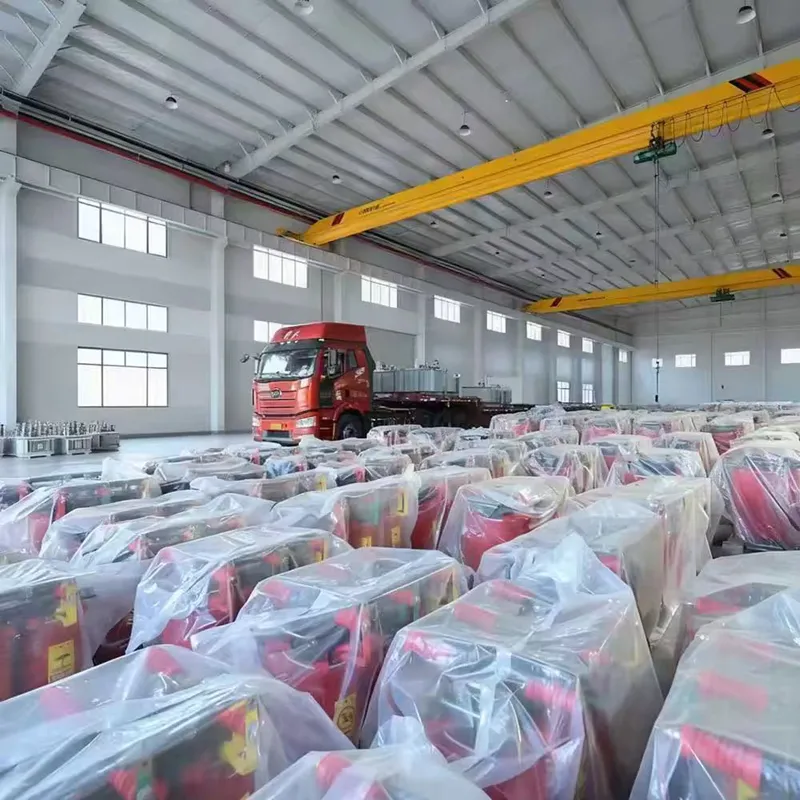
With transformer manufacturing, epoxy casting, core processing and factory testing capabilities, HongweiPower provides dry-type transformer solutions for industrial power distribution and large-scale electrical infrastructure projects.
Key Specifications of 2000kVA Dry Type Transformer
| Parameter |
Specification |
| Rated Capacity |
2000kVA |
| Primary Voltage |
33kV |
| Secondary Voltage |
0.4kV |
| Transformer Type |
Dry Type Transformer |
| Insulation Construction |
Epoxy Resin Cast |
| Core Material |
High-Grade Magnetic Core Material |
| Winding Material |
As Specified in the Approved Technical Design |
| Cooling Method |
AN / AF Options |
| Insulation Class |
Class F Standard / Class H Option |
| Temperature Rise |
Designed According to Insulation Class and Loading Conditions |
| Short-Circuit Impedance |
Customized According to Project Requirements |
| Vector Group |
Project-Specified |
| Tap Configuration |
Customized |
| Applicable Standard |
IEC 60076-11 |
| Installation |
Indoor Power Distribution |
| Applications |
Large Commercial Buildings, Industrial Facilities, Logistics Centers and Data Centers |
| Maximum Load Loss and Maximum No-Load Loss of Transformers with Rated Frequency of 50 Hz |
| |
Grade 1 |
Grade 2 |
| Rated Power |
Maximum Load Loss |
Maximum No-load Loss |
Maximum Load Loss |
Maximum no-load loss |
| kVA |
(Unit: inch) |
(Unit: inch) |
(Unit: inch) |
(Unit: inch) |
| ≤50 |
1700 |
200 |
1500 |
180 |
| 100 |
2050 |
280 |
1800 |
252 |
| 160 |
2900 |
400 |
2600 |
360 |
| 250 |
3800 |
520 |
3400 |
468 |
| 400 |
5500 |
750 |
4500 |
675 |
| 630 |
7600 |
1100 |
7100 |
990 |
| 800 |
8000 |
1300 |
8000 |
1170 |
| 1000 |
9000 |
1550 |
9000 |
1395 |
| 1250 |
11000 |
1800 |
11000 |
1620 |
| 1600 |
13000 |
2200 |
13000 |
1980 |
| 2000 |
16000 |
2600 |
16000 |
2340 |
| 2500 |
19000 |
3100 |
19000 |
2790 |
| 3150 |
22000 |
3800 |
22000 |
3420 |
| Note: In some countries, higher loss values are permitted by relevant regulations for transformers beyond the applicable scope of this table (e.g., transformers with wider tap ranges, dual low-voltage windings, or higher voltages). |

Electrical Specifications and Voltage Configuration
The 2000kVA dry type transformer is designed for a 33kV/0.4kV voltage conversion requirement, connecting a medium-voltage supply network to a low-voltage distribution system.
The primary voltage is selected according to the incoming power network, while the secondary voltage matches the downstream distribution equipment and connected loads.
Primary Voltage: 33kV
The high-voltage winding is designed for the specified 33kV supply system. Its insulation arrangement, terminal configuration and voltage adjustment requirements are determined by the electrical design.
Secondary Voltage: 0.4kV
The low-voltage winding supplies the 400V distribution system. The secondary connection, neutral arrangement and terminal configuration are coordinated with the downstream LV switchgear and distribution board.
Frequency and Connection Configuration
The rated frequency, phase arrangement and vector group are specified according to the destination power network and project electrical requirements.
The following electrical parameters can be incorporated into the approved technical design:
-
Rated frequency and operating voltage
-
Primary and secondary winding connections
-
Vector group
-
Short-circuit impedance
-
HV tap range and tap positions
-
Rated insulation level
-
Neutral and grounding arrangement
For projects with different voltage ratios or special electrical requirements, HongweiPower provides customized transformer designs.
See HongweiPower Dry Type Transformer Range for additional capacity and voltage configurations.
Epoxy Resin Cast Insulation and Transformer Core Construction
The insulation system and magnetic core are important factors affecting the electrical reliability, thermal performance and service life of a dry type transformer.
HongweiPower's dry-type transformer platform uses epoxy resin cast insulation, with vacuum casting technology applied to the winding manufacturing process.
Epoxy Resin Cast Windings
High-voltage and low-voltage windings are encapsulated using epoxy resin casting technology. The solid insulation system provides electrical insulation and mechanical support while reducing exposure of the windings to environmental moisture and contaminants.
The casting process focuses on:
-
Winding arrangement and dimensional accuracy
-
Layer insulation and electrical clearances
-
Resin casting uniformity
-
Curing temperature and process control
-
Insulation integrity and partial-discharge risk control
Transformer Core
The transformer core uses high-grade magnetic materials, including high-permeability silicon steel sheets within the dry-type manufacturing material scope.
Core manufacturing and assembly focus on:
-
Silicon steel material quality
-
Lamination accuracy
-
Core stacking and joint arrangement
-
Mechanical clamping
-
Magnetic circuit consistency
The core structure and winding arrangement are optimized according to the rated capacity, voltage ratio and specified loss requirements.
Copper Winding Material
Copper winding materials are included in HongweiPower's published dry-type transformer raw-material inspection process. The conductor specification for the supplied 2000kVA unit is stated in the approved technical datasheet.
For projects with specific conductor requirements, the winding material should be included in the technical quotation and equipment schedule.
No-Load Loss, Load Loss and Energy Efficiency
For a 2000kVA transformer operating continuously in an industrial or commercial distribution system, no-load loss and load loss are important factors in evaluating long-term operating costs.
No-Load Loss (P0)
No-load loss mainly originates from the transformer core when the unit is energized. It is affected by core material, magnetic flux density, lamination quality and core construction.
HongweiPower controls core material quality and core assembly processes to support the specified no-load loss requirements.
Load Loss (Pk)
Load loss is mainly associated with winding resistance and other load-dependent losses. It changes with operating current and is influenced by conductor material, winding cross-section, winding arrangement and operating temperature.
The winding design is optimized according to the required capacity, impedance and load conditions.
Energy Efficiency Configuration
HongweiPower supports energy-efficiency optimization through core material selection and winding structure design.
Available design considerations include:
-
High-permeability silicon steel core materials
-
Optimized magnetic circuit construction
-
Winding conductor and cross-section selection
-
Project-specific no-load loss requirements
-
Project-specific load loss requirements
-
Applicable energy-efficiency grade
The 2000kVA transformer can be specified against the required loss limits and applicable efficiency standard. Guaranteed P0 and Pk values should be included in the approved technical datasheet.
Cooling System and Temperature Rise
Cooling configuration affects the transformer's continuous operating capability and thermal performance.
HongweiPower's cast-resin dry-type transformer platform supports natural air cooling and forced air cooling configurations.
| Cooling Method |
Description |
Application Consideration |
| AN (Air Natural) |
Natural air circulation without forced-air fans |
Suitable for natural convection cooling arrangements |
| AF (Air Forced) |
Fan-assisted air circulation |
Used where additional cooling capacity is required |
AN Natural Air Cooling
Natural air cooling relies on air circulation around the transformer core and windings to dissipate operating heat. It avoids the need for cooling fans and their associated control components.
AF Forced Air Cooling
Forced air cooling uses fans to improve heat dissipation. It can be considered for applications with higher loading demands or restricted heat dissipation conditions.
Insulation Class and Temperature Rise
Class F and Class H insulation options are available across HongweiPower's dry-type transformer range.
Temperature-rise design is determined by the selected insulation system, ambient temperature and loading profile. Published dry-type platform guidance includes typical 100K and 120K temperature-rise configurations.
For the 2000kVA model, the guaranteed winding temperature-rise limit is specified in the approved technical datasheet according to the selected design.
Temperature monitoring devices and cooling fan control systems can also be incorporated into the equipment configuration.
Indoor Installation and Industrial Applications
The 2000kVA dry type transformer is designed for large-capacity power distribution where oil-free insulation and indoor installation are preferred.
Large Commercial Complexes
Shopping centers, office complexes and large commercial facilities require stable power distribution for lighting, elevators, HVAC systems and other electrical loads.
A 2000kVA transformer can be specified for a major distribution section according to the facility's demand and load distribution design.
Industrial Plants and Manufacturing Facilities
Industrial facilities require transformer configurations matched to production equipment, motor loads and continuous operating conditions.
The transformer design can incorporate project-specific impedance, cooling, insulation and protection requirements.
Data Centers
Data center electrical infrastructure requires carefully coordinated transformer capacity, voltage conversion, cooling and downstream distribution arrangements.
The 2000kVA dry type transformer can be evaluated for data center distribution systems where the 33kV/0.4kV voltage configuration matches the facility's electrical design.
Logistics Centers and Large Warehouses
Large logistics facilities use electrical distribution equipment to supply lighting, automation systems, conveyor equipment, ventilation and other operational loads.
A dry type transformer offers an oil-free insulation arrangement for suitable indoor electrical rooms.
Customized 2000kVA Dry Type Transformer Solutions
HongweiPower supports customized dry-type transformer configurations for different electrical networks, building conditions and industrial applications.
| Customization Item |
Configuration Options |
| Rated Capacity |
2000kVA and other project-specific ratings |
| Primary Voltage |
33kV standard product configuration or customized voltage ratio |
| Secondary Voltage |
0.4kV or project-specified output |
| Rated Frequency |
Specified according to the destination power network |
| Short-Circuit Impedance |
Customized according to system requirements |
| Vector Group |
Project-specific connection configuration |
| Winding Material |
Specified in the approved design |
| Insulation Class |
Class F / Class H options |
| Cooling Method |
AN / AF |
| Tap Range |
Customized voltage adjustment arrangement |
| Enclosure |
Indoor or outdoor structural options |
| IP Protection |
Selected according to installation environment and enclosure design |
| Monitoring Accessories |
Temperature controllers, sensors and cooling fan control |
| Protection |
Project-specific electrical protection devices |
| Appearance |
Customized coating, color and nameplate |
| OEM/ODM |
Customized branding and packaging |
Special Environmental Customization
For projects in demanding environments, HongweiPower provides customized transformer protection and structural solutions for:
-
High-altitude installations
-
High and low ambient temperatures
-
Coastal salt-spray exposure
-
High humidity and condensation
-
Chemical corrosion and industrial dust
-
Seismic installation requirements
Learn more about HongweiPower Custom Transformer Manufacturing.
Frequently Asked Questions
What is the rated voltage of a 2000kVA dry type transformer?
The HongweiPower product page specifies a 33kV primary voltage and 0.4kV secondary voltage, providing a 33kV/0.4kV distribution transformer configuration.
Is the 2000kVA dry type transformer suitable for data centers?
It can be considered for large data center power distribution systems where the 2000kVA capacity and 33kV/0.4kV voltage configuration match the electrical design. Load profile, redundancy, cooling and downstream protection should also be considered.
What is the difference between AN and AF cooling?
AN uses natural air circulation to dissipate transformer heat, while AF uses forced-air fans to improve cooling. The appropriate configuration depends on loading requirements and installation conditions.
Can the 2000kVA transformer use Class H insulation?
HongweiPower's dry-type transformer range offers Class F and Class H insulation options. The selected insulation class and corresponding temperature-rise limit are specified according to the project design.
Can the 2000kVA dry type transformer be customized for different voltage ratios?
Yes. HongweiPower supports customized rated voltage, voltage ratio, short-circuit impedance, connection group, insulation class and cooling configuration according to project requirements.
What tests are performed before shipment?
The published factory inspection scope includes winding resistance, voltage ratio, vector group, no-load loss, load loss, induced overvoltage, power-frequency withstand voltage and temperature-rise testing, together with appearance and dimensional inspection.
What information is required for a 2000kVA transformer quotation?
Please provide the primary and secondary voltage, rated frequency, phase, vector group, winding material, cooling method, impedance, loss limits, insulation class, temperature-rise requirements, installation environment and required quantity. A project specification or single-line diagram is also helpful.